Fall 2026
As I write this, my kids are on their first week of fall break. Yes, that’s correct…it’s already Herbstferien here in Hessen, Germany. Two weeks off, as the days grow shorter and the temps are becoming noticeably cooler.
This edition of ,What the Deutsch?!?, will focus on school. The school system in Germany is quite different than that in the US. Before school even starts, the kids are able to attend (not required) Kindergarten from age 3 to 6. The last year of Kindergarten often includes a special weekly class to help prepare the kids for 1st grade, similar to pre-K.
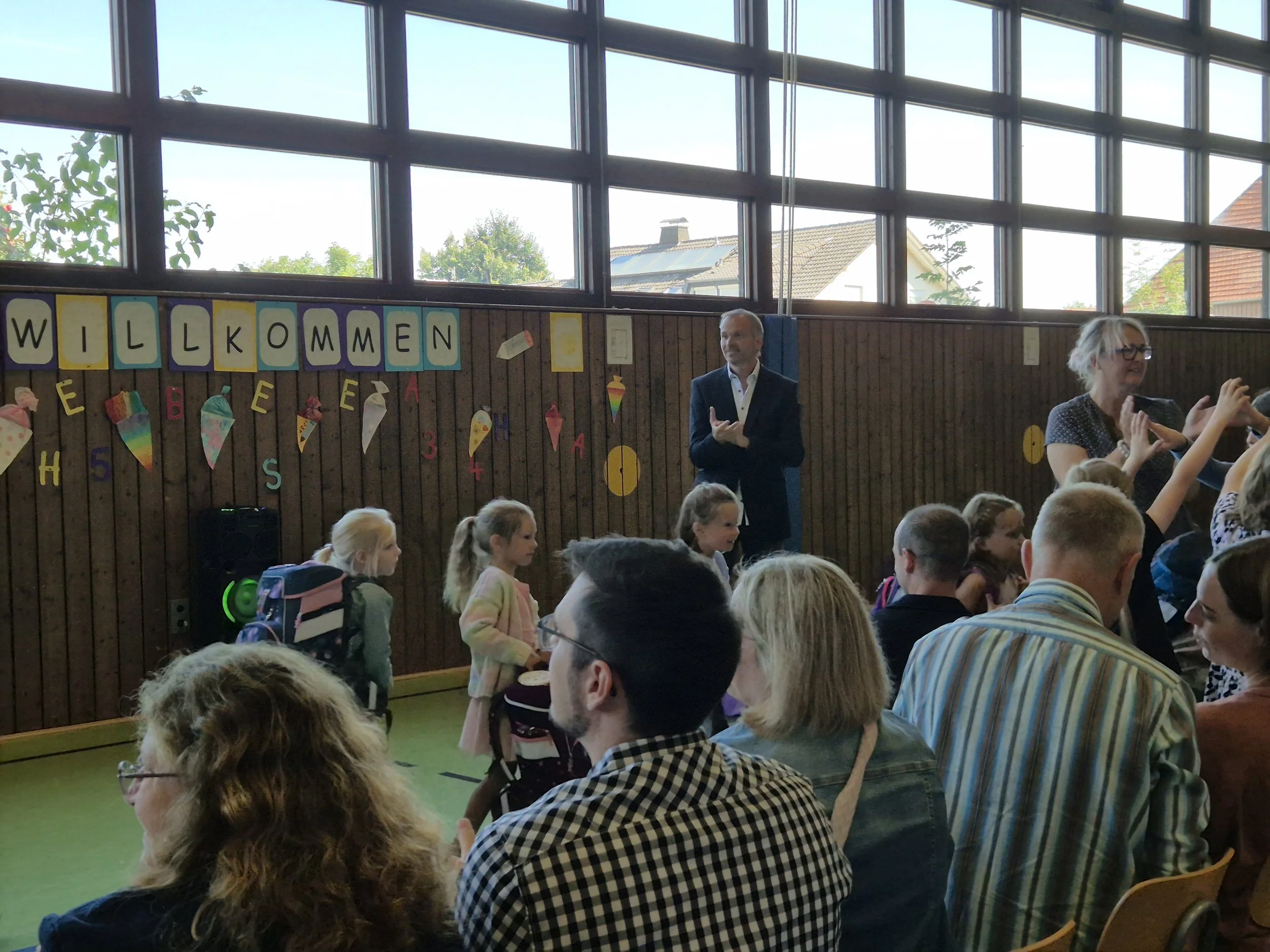
Then comes the beginning of Grundschule, grade school. The first day of grade school is a big deal in Germany. This day is usually a couple days into the school year. Families and close relatives take the day off work and are invited to the school as the older grades (2 through 4), prepare small performances to welcome the new first graders to the school. Then the new first graders are called up by name to their new class and are sent off to have their first Stunde, class, with their new teacher. During this time there is usually an opportunity for the parents/family of the first graders to have some coffee and baked goods. Afterwards the new first graders come out, take their first class picture together, and are presented their school cones. These school cones are usually handmade by the parents and filled with little extra school supplies, goodies, and sweet treats. Then the rest of the day is spent with family. Some do a big cook out together, others go out to a local restaurant, and others just spend the day at home.

When kids get to 4th grade, they reach a moment in their educational career, where they are faced with a pretty big decision. Starting in 5th grade these kids will attend a Weiterführende Schule. This is the school that will either get them to the equivalent of a high school diploma or perhaps a middle school diploma and then entered into an apprenticeship or various combinations of the two. The german education system is complex and there are various paths to get into a career.
1. Attend a Gymnasium, which is a middle school and high school all in one – grades 5 through 13. At the end of this, if you pass your exams, you make your Abitur, or diploma. From here you can attend university or start a Duales Studium, which is where you work and study and end up with a job as well as a degree at the end.
2. Attend a Realschule, which is basically an extended middle school, grades 5 through 10. At the end of this you graduate with something called a Mittlere Reife. After this you have several options as well.
a. Continue on at a school that has the upper grades, 11 through 13, and make your Abitur.
b. Start an Ausbildung, or paid internship, for a various number of years and then start your career.
c. Depending on the school, you can also continue on for just a couple years into a specialized upper school which is usually only for 12 years. Then you earn a more limited Abitur for a specific track – business management, operations, etc.
3. Attend specialized schools for trades or other schools for those students who may not thrive in a school setting. These schools offer opportunities for non-traditional learning and more hands-on training for skilled and unskilled jobs.
Grades in Germany are given on a written and oral basis. Children have written tests, but often also get an oral grade which reflects how well the child interacts during that particular class, if they ask related questions, listen and pay attention, and respond appropriately when asked questions. Also, the tests are not scheduled to only cover one small topic. The tests are infrequent, maybe 2 or 3 per semester and each test spans a variety of topics within a subject. As far as the grading scale, Germany uses a number system, instead of the ABCD and F system in the US. In Germany, a 1 is the best score you can get and a 6 is the equivalent of an F.
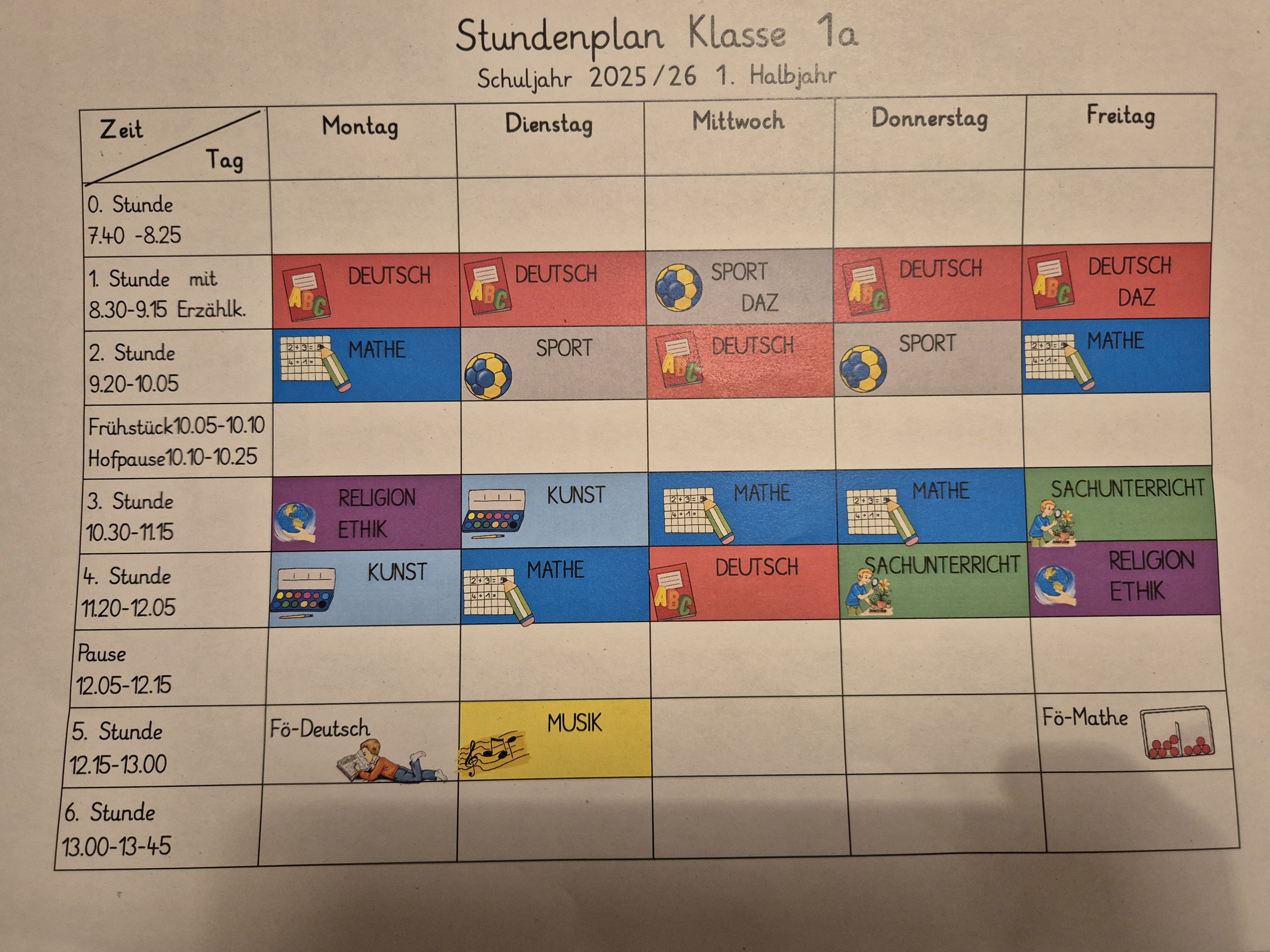
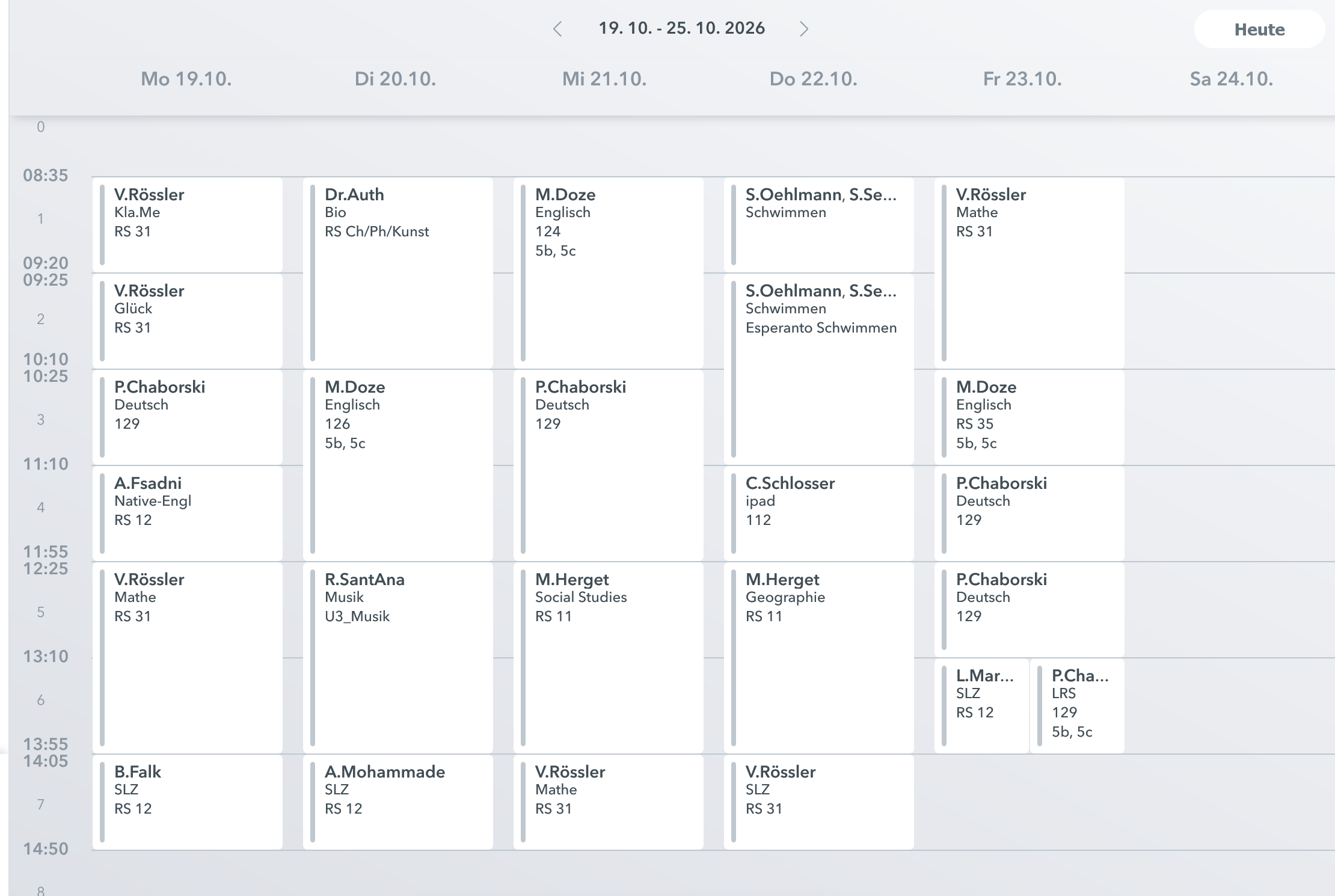
School days are much shorter in Germany, however, many schools (more and more every year) are offering full-day school. The full-day school option is not classroom teaching all day, but a structured after school care that includes a lunch hour, time to complete homework, and organized activities like a yoga group, forest group (where the kids walk and spend time in the nearby forest once a week), and other activities. The teaching time is the same, grade schools end somewhere between noon and 1:45pm and the middle and high schools may go a little later. In fact, this year is the first year of a phased in requirement that all grade schools provide full-day options. This means that this year all schools must offer full day care to first graders. Next year this will expand to also include all second graders, and phasing in continues with the next few years and grades accordingly.
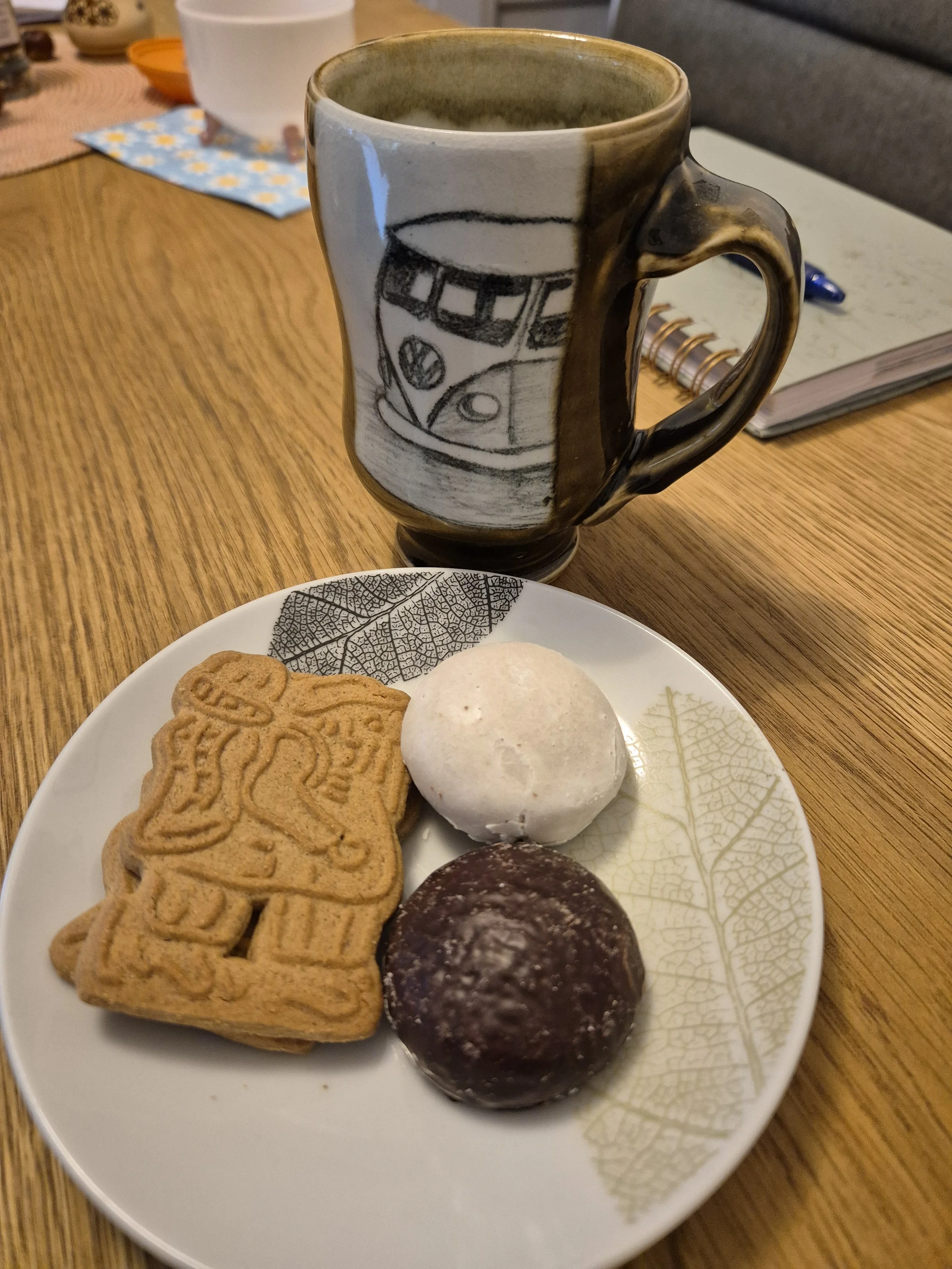
P.S. I normally hold out until November, but since the weather is feeling really fall-like and I ran out of time the last two years to indulge in all my favorite Christmas cookies, I am treating myself!