
Spring 2026
Spring is here! All around us the trees are bursting with new leaves, buds, and flowers. The days getting warmer and are starting to get longer brighter. The clocks have sprung forward . . . early March in the states. Germany is springs forward the last Sunday in March. The days of cold weather seem to be numbered and while a bit of chill here and there may still come our way, the hope is that summer is around the bend. But while we can see and feel the meteorological changes in the weather, feel the days getting warmer, and longer . . . what are some of the cultural and traditional rites of spring here in Germany? Well here is a small sample of some signs that winter is ending and spring is near. . .
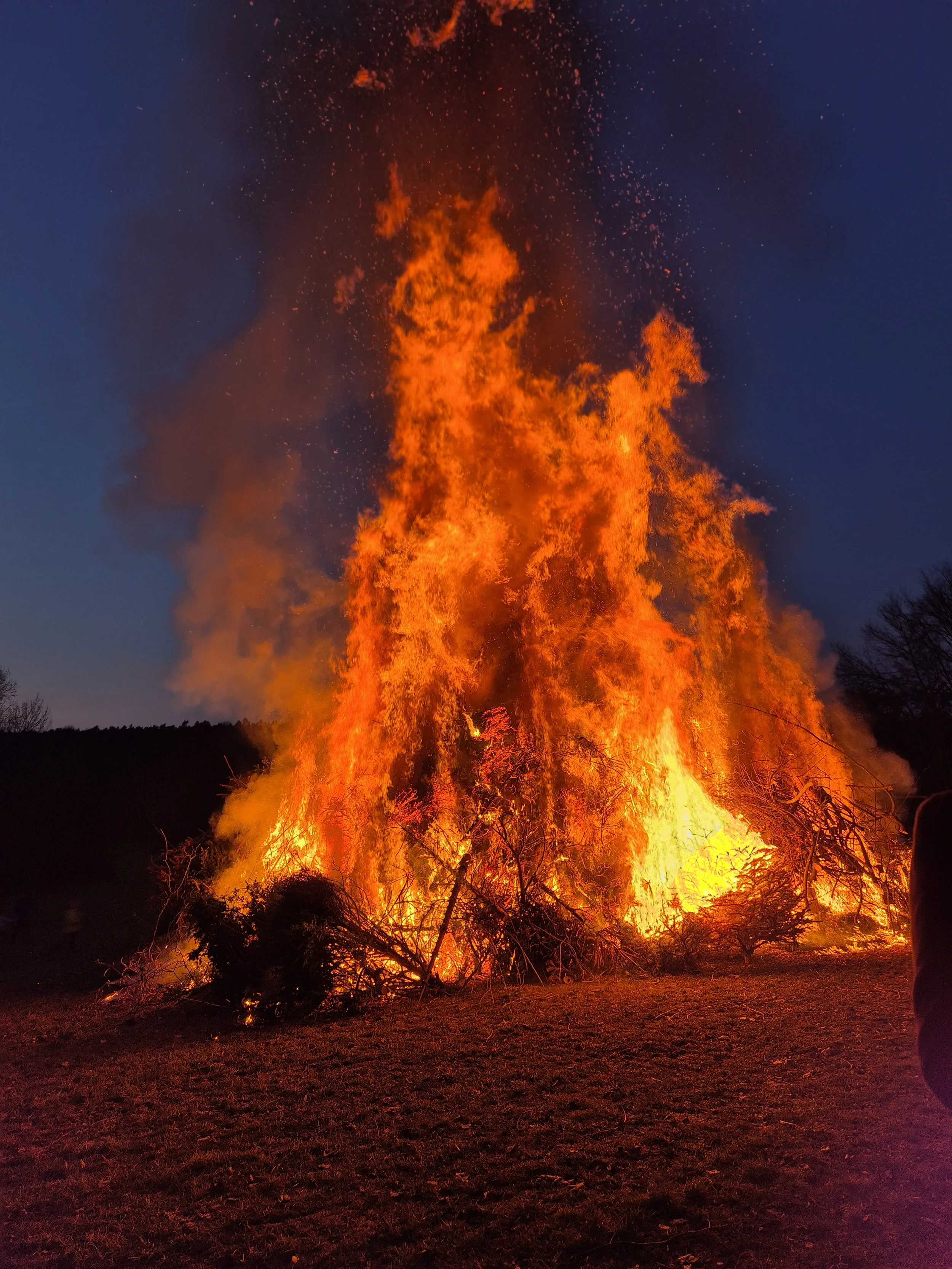
The traditional Hutzelfeuer signifies the burning off of winter to make way for spring. It traditionally takes place the Sunday after Ash Wednesday. Throughout the towns and villages, the old Christmas trees and other twigs and remnants of the first pruning of the year, are collected. These are set up into a large pile and around 6 or 6:30pm the heaping pile of debris is set aflame. Sometimes the youth of the fire department parade to the fire site with their torches. Other times a special guest will do the honors. The local Musikverein plays for entertainment and brats, Glühwein, and other refreshments are available for purchase. It’s a chance for the whole community to come out and send off winter together!
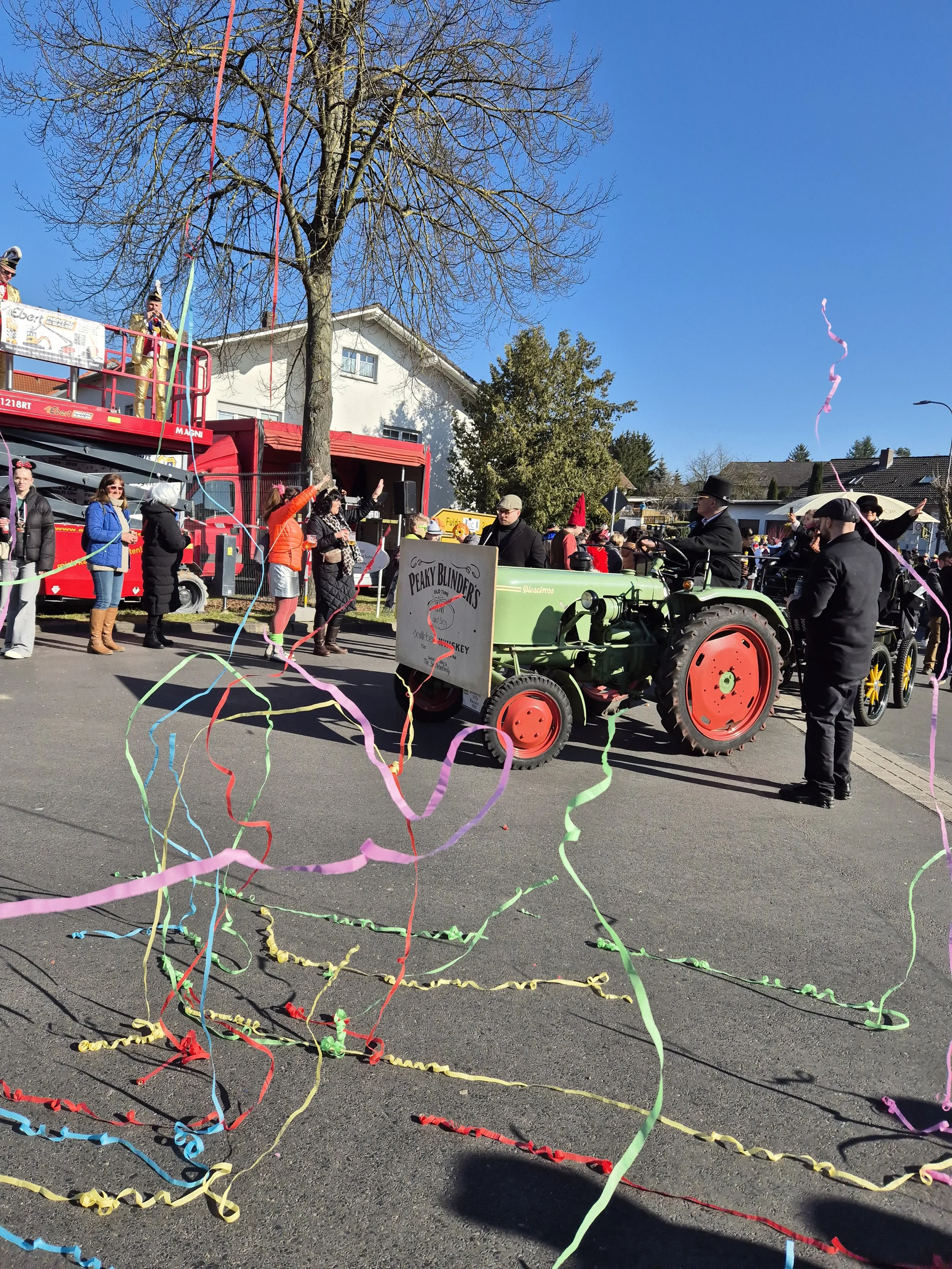
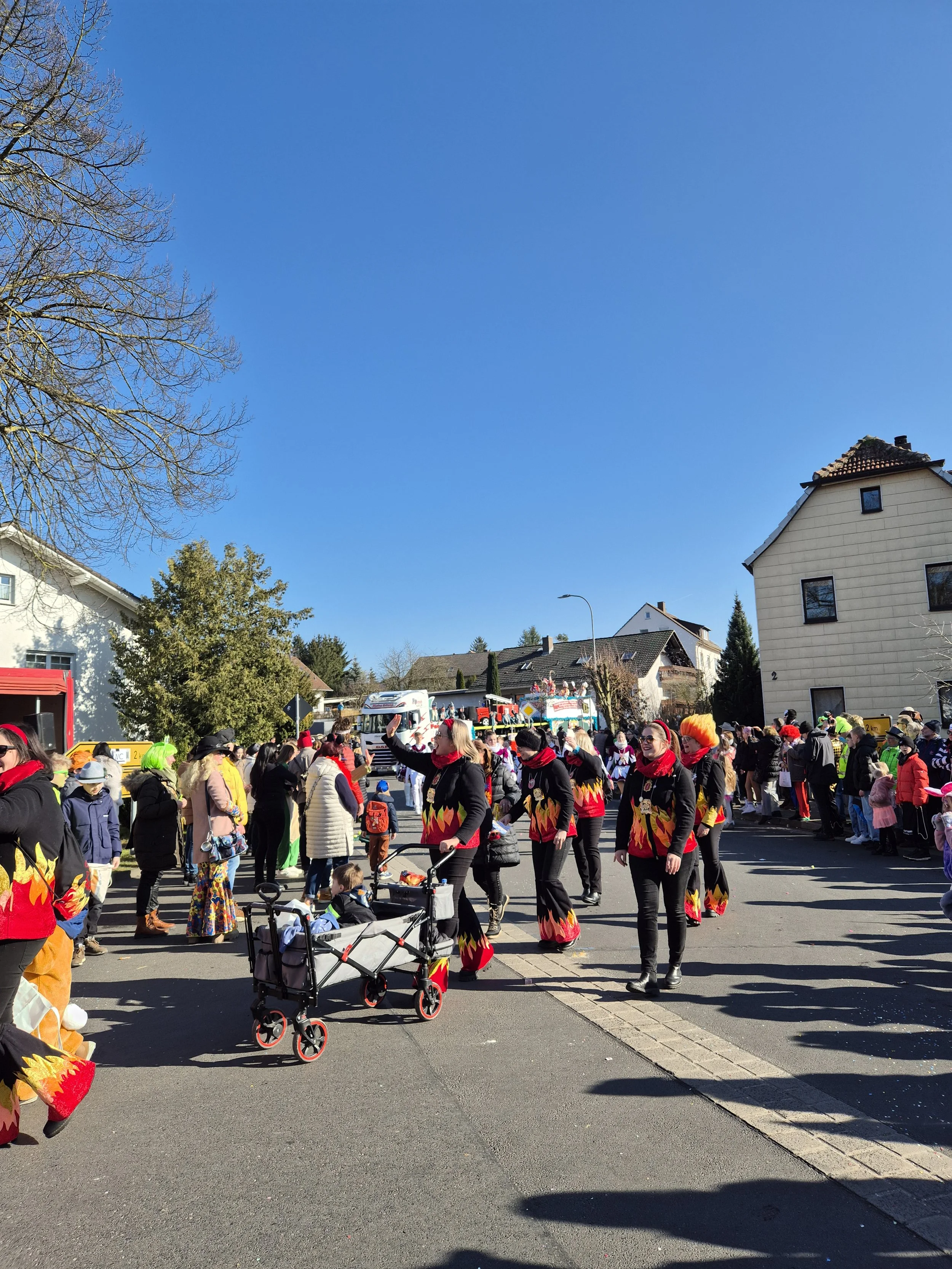
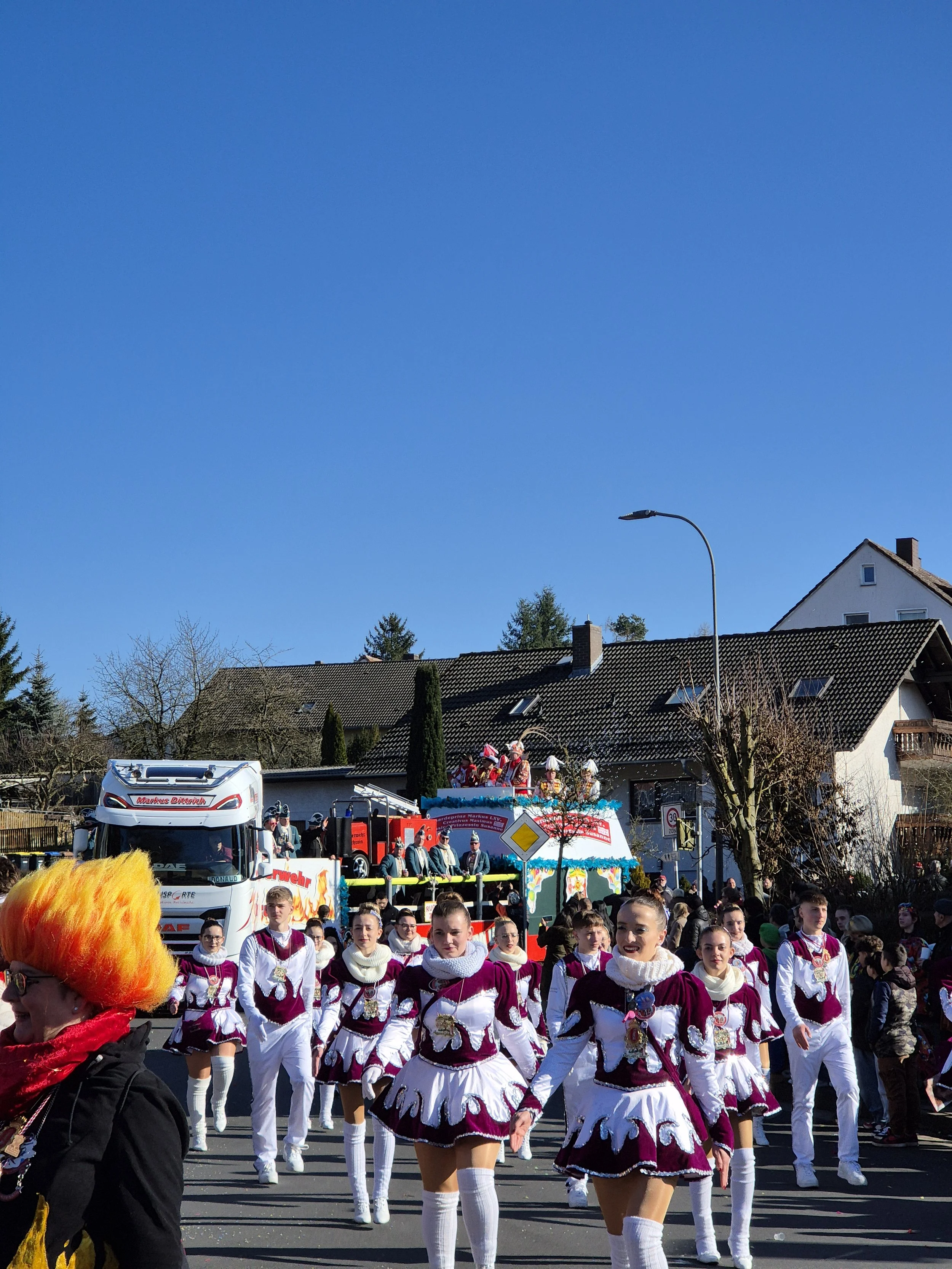
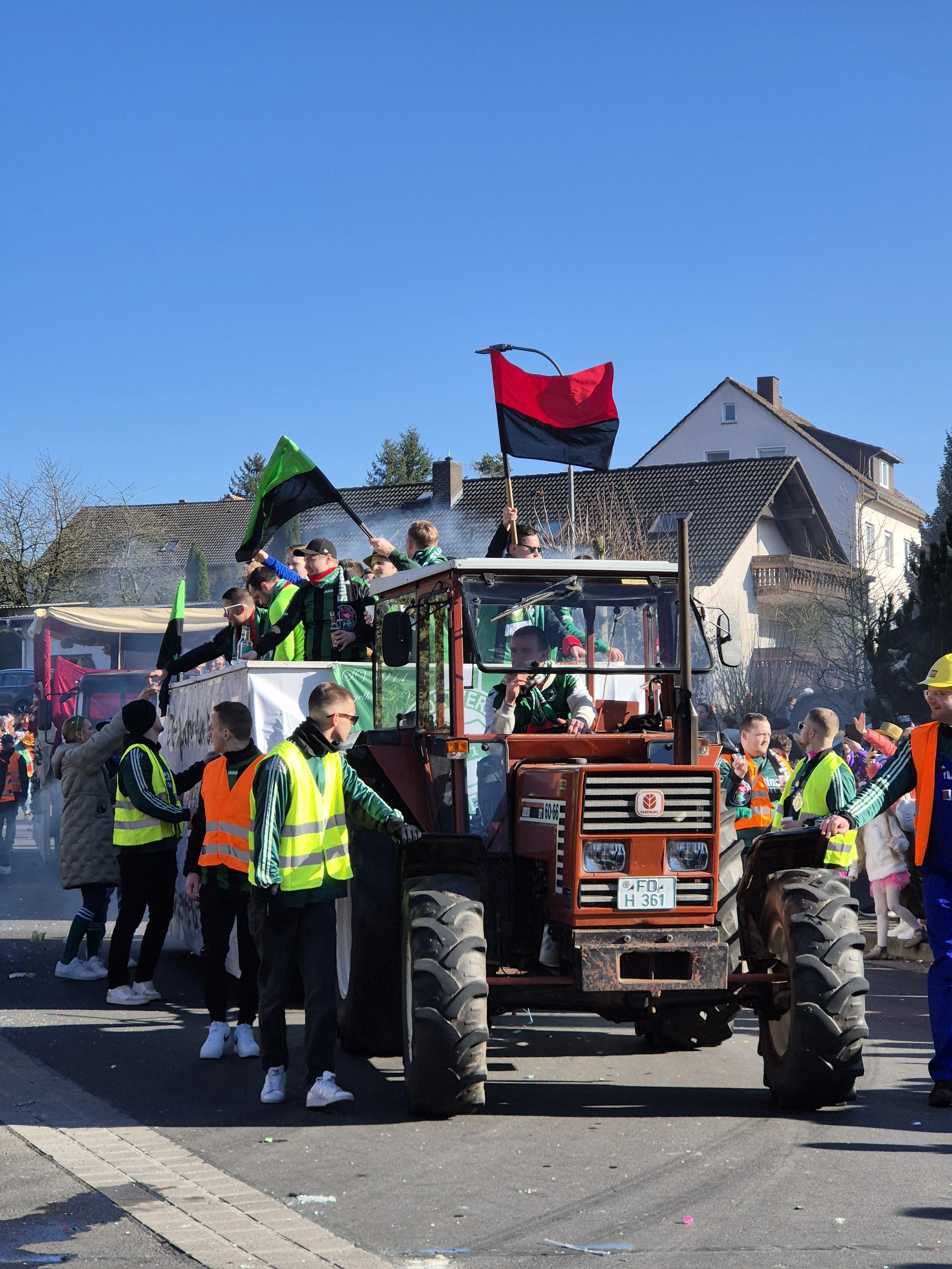
Fasching or Karnival. The late winter activities are a culmination of the 5th Season in Germany called Fasching. It officially begins on November 11 at 11:11am. During the 3 to 4 months the Vereine have various events and prepare skits and dances and create parade floats that are highlighted in the weeks right before the beginning of Lent.
It is not uncommon to see people walking around town dressed in their Karnival gear. During the weekend prior to Ash Wednesday, expect to see and hear party busses throughout the towns as Karnival groups get together and travel to other local Karnival festivities.
Typically, the kids get Rosenmontag (Rose Monday), the day with the biggest parades and festivities, off from school. Some years, depending on the school calendar, they also get the following Tuesday off as well.
Ostern –
There are also a lot of local traditions surrounding the preparation for and celebration of Easter. Easter is a very traditional holiday around most German communities, but it also signals the coming warmer temperatures!!! Summer will soon be here!
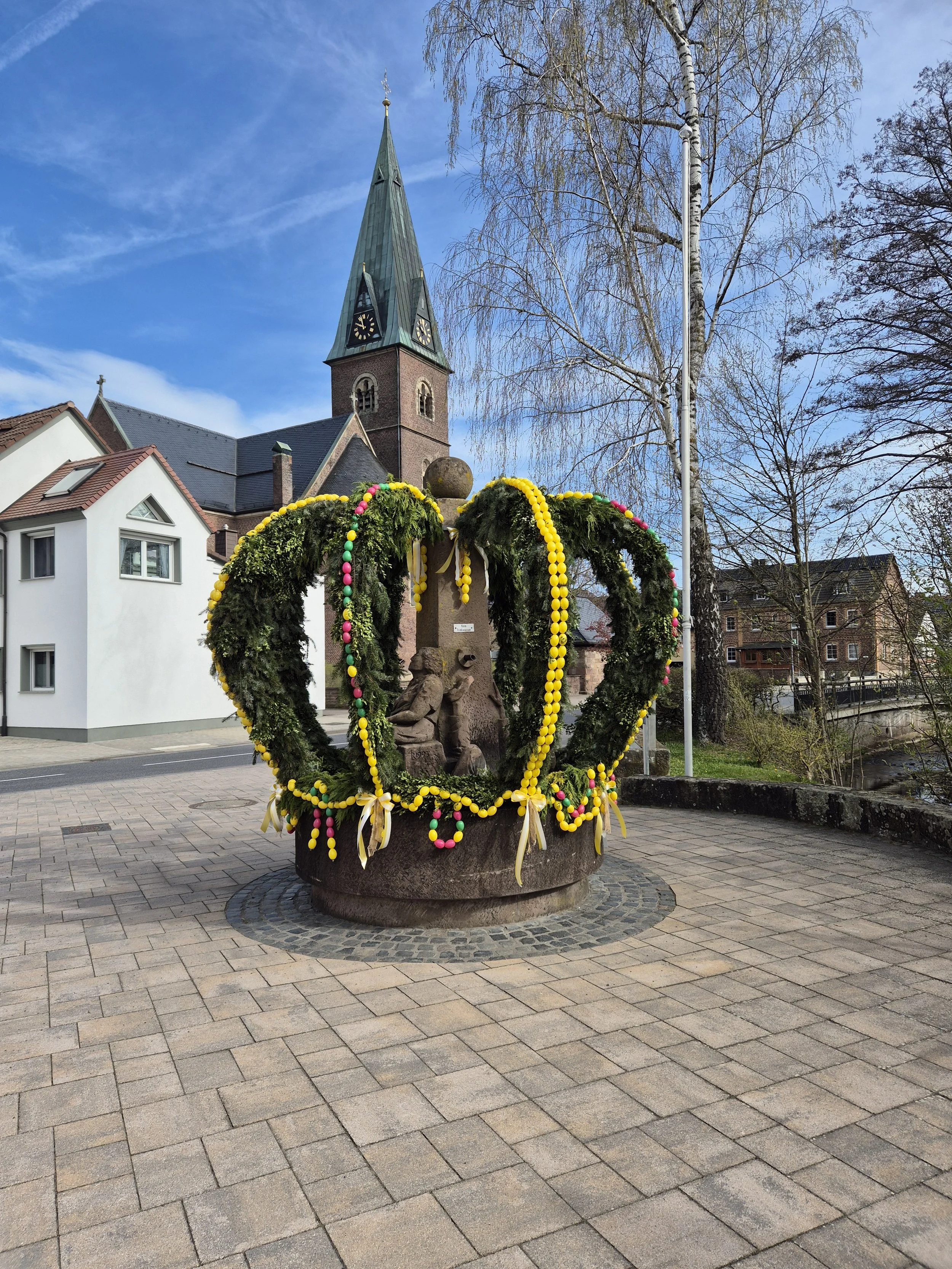
Many towns decorate fountains with greenery and colorful eggs. Some people will drive through the countryside from village to village just to see the very colorful Easter fountains.
In some places, including Bavaria, there are traditional Osterfeuer...Easter fires. These are typically lit the Saturday evening before Easter or even on Easter Sunday itself. The fire is supposed to represent Jesus Christ rising from the dead.
Osterputz - Here in the area around Fulda in Hessen, the schoolchildren gather on the Thursday before spring break and spend a few hours with their classmates going through town to collect garbage. It’s a pretty big deal. So much so that some of the communities report how many bags of trash the kids picked up and it is reported in the local newspaper.
Klapperkinder – On Good Friday, the church bells traditionally go silent. But somehow, people must be reminded of the church times and also be reminded to pray throughout the day. What is a community to do? This is where the Klapperkinder come in. The Klapperkinder are usually children who are servers in the church or other children who have already made their First Communion. They have wooden noisemakers or ratchets and wake up very early in the morning. They spend their day going around the towns making noise to remind everyone of the normal church services that take place that day. In some places they will also go door to door collecting donations for a good cause. Sometimes they may also go around on Saturday as well.
O bis O: Springtime is also a time to get your vehicle ready for the summer months! This means switching out your winter tires for your summer tires. The rule of thumb in German is ‘von O bis O.’ This refers to making sure you have your winter tires on from ‘O’ Oktober until ‘O’ Ostern.
Thank you for reading! If you have any future topics you’d like to see written about or any questions about things in Germany feel free to let the Culture and Traditions Committee know. Or you can email me at peppimo@gmail.com!
Miss you all!
Stefanie